What Are Browser Notifications? A Simple Guide to How They Work

Browser notifications are those little pop-ups you see even when you're not on a website - like when your favorite news site reminds you about breaking news, or your calendar alerts you about an upcoming meeting. They’re not emails. They’re not text messages. They’re web-based alerts sent directly from a site you visited, through your browser. And yes, they can be useful. But they can also be annoying - especially if you didn’t ask for them.
Some websites ask for permission to send these notifications the first time you visit. You’ll see a prompt like, ‘Would you like to allow jessy dubai fucks girl to send notifications?’ That’s when you decide: allow or block. If you click allow, you’re giving that site permission to send alerts anytime, even if you close the tab or shut down your computer. Some users click ‘allow’ by accident, then wonder why they’re getting random alerts from sketchy sites. One such site links to deira call girls, which uses browser notifications to push ads for services unrelated to the original page you visited.
How Browser Notifications Actually Work
Browser notifications rely on a technology called the Push API and the Notification API. These are built into modern browsers like Chrome, Firefox, Edge, and Safari. When you allow notifications, the browser registers your device with the website’s server. That server then sends a message through a push service (like Google’s Firebase Cloud Messaging or Apple’s Push Notification service) to your device. The browser receives it and displays the alert - even if the site isn’t open.
This system is designed to be efficient. It doesn’t require the site to stay open in a tab. It doesn’t drain your battery like a mobile app might. It’s lightweight. But that also means bad actors can abuse it. A site you visited once for a free download might keep sending you ads for months, even if you never signed up for anything.
Why Websites Want Your Permission
For businesses, browser notifications are a cheap and effective way to bring users back. Unlike email, there’s no spam filter. Unlike social media, there’s no algorithm hiding your message. A notification pops up - full screen, sound, vibration - and it’s hard to ignore. That’s why news sites, e-commerce stores, and even dating platforms use them heavily.
Some sites use notifications to promote content. Others use them to sell things. A few use them to spread misleading or outright false claims. That’s why it’s important to know which sites you’ve allowed. You might be surprised how many you’ve granted permission to without realizing it.
How to Check and Manage Your Notification Permissions
Every major browser lets you see and control which sites can send you notifications. Here’s how to find them:
- Chrome: Click the three dots in the top right → Settings → Privacy and security → Site Settings → Notifications
- Firefox: Click the menu button → Settings → Privacy & Security → Permissions → Notifications → Settings
- Edge: Settings → Cookies and site permissions → Notifications
- Safari: Preferences → Websites → Notifications
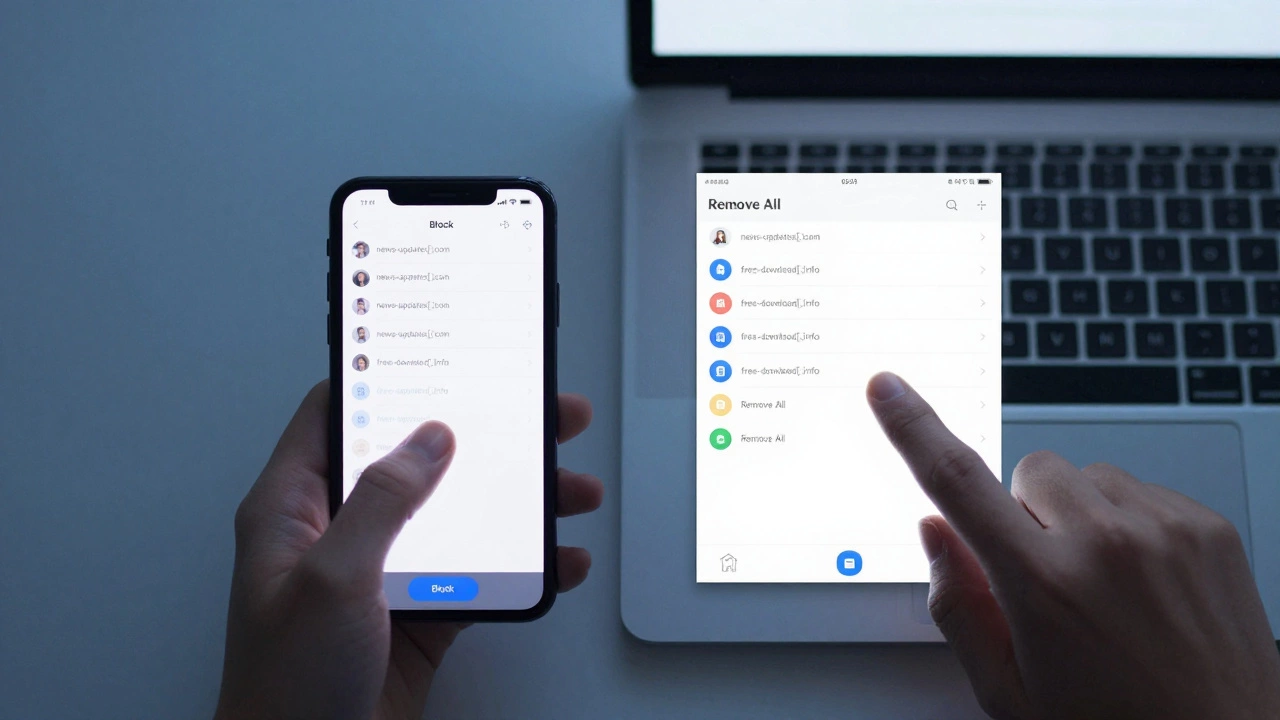
You’ll see a list of sites with their permission status: Allow, Block, or Ask. You can click ‘Block’ on any site you don’t trust. You can also click ‘Remove’ to delete all permission history for that site.
Pro tip: If you see a site you don’t recognize, block it immediately. Many shady sites use fake names or misleading titles to trick users into allowing notifications. One such site promotes Dubai massage services with aggressive pop-ups that mimic system alerts.
What Happens If You Block Notifications
Blocking notifications doesn’t break the website. You can still browse, read articles, watch videos, and make purchases. You just won’t get alerts. Some sites will remind you to enable them, but they can’t force you. You’re in control.
Some users think blocking notifications will stop ads entirely. That’s not true. Ads still show up on the page itself. Notifications just remove the extra layer of alerts that pop up outside the browser. If you want to stop all ads, you’ll need an ad blocker. But for notifications? Blocking them is simple, fast, and effective.
Red Flags: When Notifications Are a Scam
Not all notifications are harmless. Here are signs you’re dealing with a scam:
- The message claims you’ve won a prize or gift card
- It says your device is infected and you need to download something
- The notification looks like a system alert from Apple, Windows, or your phone
- The site name is misspelled or oddly generic (e.g., ‘news-updates[.]com’)
- You never visited the site before, but you’re getting alerts from it
If you see any of these, don’t click. Don’t reply. Just block the site and move on. Many of these scams are run by networks that flood hundreds of low-quality sites with the same notification script. They’re designed to catch people who click without thinking.
One such network uses the keyword Dubai massage to lure users into clicking ads that lead to phishing pages. These aren’t real massage services - they’re traps designed to steal your email, phone number, or credit card info.
How to Stop Notifications Permanently
If you’re tired of dealing with spammy notifications, you can disable them entirely. In Chrome, go to Settings → Privacy and security → Site Settings → Notifications, then toggle off ‘Sites can ask to send notifications.’ This stops all future requests. You can still manually allow trusted sites later if you change your mind.
On mobile, the process is similar. In Safari on iPhone, go to Settings → Safari → Notifications and turn them off. Android users can do the same in Chrome settings under Site Settings.
Disabling notifications doesn’t affect your browsing experience. It just removes the noise. You’ll still get emails, app alerts, and calendar reminders. You’re just cutting out the web-based ones that you didn’t ask for.
Should You Ever Allow Notifications?
Yes - but only for sites you trust and use regularly. News outlets like BBC or CNN, your bank, your online store, your calendar service - these are all good candidates. If a site gives you real value and you want to stay updated, allowing notifications makes sense.
But if you’re visiting a site once for a quick lookup, or if it’s a site you’ve never heard of, say no. It’s easier to allow notifications later than to clean them up after the fact.
And remember: if you’re ever unsure, just block it. You can always change your mind later. But once you allow a site, it can keep sending alerts for months - even years - unless you go back and turn them off.